Richmond Hill removals for narrow streets and stairs
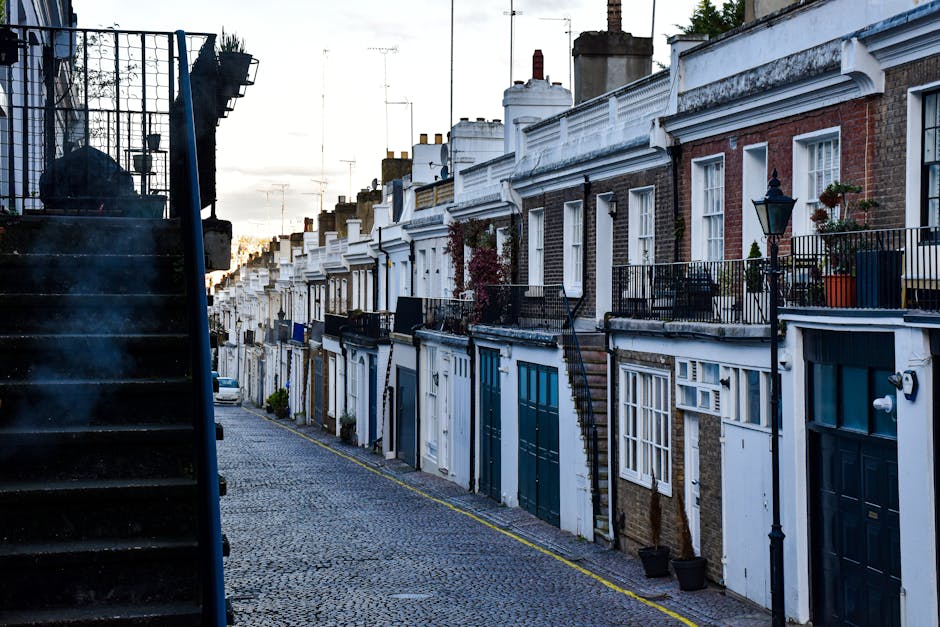
Moving in Richmond Hill can feel straightforward on paper, then suddenly you're staring at a tight street, a steep staircase, and a sofa that looks one inch too wide for comfort. That is exactly where Richmond Hill removals for narrow streets and stairs become a different kind of job: more careful planning, better access checks, and the right vehicle and lifting approach from the start. If you've ever tried to twist a mattress around a banister while someone says, "just a bit more," you already know why this matters.
This guide explains how tricky-access removals work in practice, what to look out for, and how to avoid the costly mistakes that catch people out. You'll also find a useful checklist, a comparison table, and a realistic example so you can judge what kind of move your property actually needs. By the end, you should feel much clearer about the safest, least stressful way to get the job done.
Why Richmond Hill removals for narrow streets and stairs Matters
Richmond Hill has a character that people love: older homes, attractive terraces, compact roads, and properties with personality. The downside is obvious to anyone moving out of one. Narrow streets can make parking awkward, and stairs can turn a simple furniture move into a slow, sweaty puzzle. Add a wet morning, a car blocking half the road, or a landing with a sharp turn, and you've got a proper access challenge.
That's why this kind of move needs more than muscle. It needs judgement. A removal team has to think about vehicle size, turning space, carrying distance, stair width, floor protection, and how to move bulky items without damaging walls, skirting boards, or the item itself. In a place like Richmond Hill, where access can be constrained from the pavement right through to the top floor, those details make all the difference.
There's also the time factor. Poor access slows everything down. What seems like a quick two-hour job can become a long, awkward day if the team has to keep repositioning, pausing for other traffic, or dismantling furniture on the spot. And to be fair, nobody wants the stress of watching a wardrobe get stuck halfway down the stairs while the clock keeps ticking.
The other reason this matters is safety. Narrow hallways and staircases increase the risk of slips, trapped fingers, back strain, and bumps to the property. A good move should protect people first, then furniture, then the building. That order sounds obvious, but it's often where rushed moves go wrong.
For local homeowners, renters, landlords, and small businesses, the goal is not just to "get it out." The goal is to get it out cleanly, safely, and without turning the building into a repair job. That is the real value of a properly planned access-led removal.
How Richmond Hill removals for narrow streets and stairs Works
At a practical level, a tricky-access move starts long before the van arrives. The best removals are usually planned around the property layout, the furniture list, and the street conditions. In many cases, the process begins with a discussion about what needs moving, how large the items are, and whether there are stairs, tight corners, low ceilings, or limited kerb space.
From there, the mover decides on the right setup. Sometimes that means a smaller vehicle rather than a large truck. Sometimes it means using more manpower for lifting. In other situations, furniture is partially dismantled so it can pass safely through doors and stairwells. Good planning is often more important than brute force.
If you're arranging a home move, it can help to compare the access challenge with the type of service you need. A straightforward flat move might suit a man with van service, while a more complex family relocation may be better supported by a broader home moves option. The right choice depends less on the postcode and more on the actual access.
On moving day, the team will usually:
- confirm the parking position and walking route
- protect floors, bannisters, and door frames where needed
- carry smaller items first to open up space
- move large items with careful coordination
- load the van in a sensible order so nothing is crushed or shifted around
The stair part is usually the hardest. A good crew will communicate constantly, slow down at turns, and avoid forcing items that should have been measured beforehand. If a sofa can't safely clear the stairs, then the smarter move is to remove legs, angle it differently, or take another route. Simple, but not always easy in the moment.
One thing people often underestimate is the loading stage. Narrow streets can mean the van can't sit right outside the front door. That adds carrying distance and extra handling. The move is still absolutely manageable, but it should be costed and scheduled with that in mind. No surprises is the aim.
Key Benefits and Practical Advantages
When access is difficult, the right removals approach gives you more than convenience. It gives you control. And honestly, control is what people want most when they're moving house or relocating a workplace with boxes stacked up to the ceiling.
Here are the main benefits:
- Less risk of damage to walls, paintwork, banisters, and furniture.
- Faster, calmer loading because the team has already planned around access issues.
- Better vehicle choice for tight roads and awkward parking.
- Safer lifting for the people involved, especially on steep or awkward stairs.
- Reduced stress because the move feels organised instead of improvised.
There's another benefit people sometimes miss: better use of space. A mover who understands compact access can plan the load properly. That means fewer trips, less wasted time, and a more efficient move overall. You are not paying for guesswork. You are paying for a system that fits the property.
For businesses, this can be particularly useful. A small office or studio in a converted building may have internal stairs, limited lift access, and shared hallways. In that scenario, a service such as commercial moves or office relocation services can provide the structure needed to keep downtime down. That matters when there's a team waiting to get back to work.
And if your move includes bulky items that you no longer want to keep, you may also want to plan for disposal separately. Services like furniture pick up or mattress and sofa disposal can help clear out the bits that are no longer worth moving in the first place.
Who This Is For and When It Makes Sense
This kind of move is not just for "hard cases." It makes sense for a lot of ordinary Richmond Hill properties. If you live in a terraced house, an upper-floor flat, a converted period building, or a house with a tight front path and no proper driveway, you're already in the category.
It also makes sense if you are moving one or two large items rather than a full house. Sometimes people need help with a sofa, a fridge, a bed frame, or a heavy cabinet that simply will not budge through a narrow hallway. In those cases, a smaller, more flexible man and van solution can be ideal. Not every move needs a giant truck parked outside for half the morning.
You should especially think about access-led removals if any of the following apply:
- your staircase has a tight turn or reduced head height
- the street is too narrow for easy loading
- parking restrictions make close access difficult
- you have heavy, awkward, or fragile items
- the property has shared hallways or limited lift access
- you want to avoid disturbing neighbours more than necessary
There's also the timing angle. If you're moving during busy school-run periods, on a rainy day, or after dark in winter, the margin for error gets smaller. The move may still go perfectly well, but the planning needs to be sharper. A bit of honesty here saves trouble later.
People often wait until the last minute and then realise the sofa won't take the corner. That's the point where a sensible mover becomes less of a luxury and more of a relief.
Step-by-Step Guidance
If you want the move to go smoothly, use a proper sequence. Do not leave access planning until the van is outside and everyone is already carrying boxes. That is how simple jobs turn messy.
- Walk the route from room to van. Check every doorway, staircase, landing, and turning point. Look for radiators, light fittings, narrow angles, and anything fragile on the way out.
- Measure the largest items. Sofa height, wardrobe width, mattress depth, fridge size - all of it. If it's close, assume it will need extra care or partial dismantling.
- Plan parking early. In a narrow street, the van position can affect the whole move. Short carry distances are better, but safety and traffic flow matter too.
- Separate items by priority. Pack essentials, then medium items, then bulky pieces. If something may need to come apart, make that decision before loading starts.
- Protect the property. Use covers or floor protection where needed. A stair carpet can wear surprisingly quickly under repeated foot traffic, especially with heavy items.
- Load in the right sequence. Put the largest, sturdiest items in first, then build around them. Keep fragile items secure and easy to access.
- Keep communication simple. Clear instructions are better than ten people talking at once. One person directing the lift is usually enough.
If you're using a wider moving setup, it may also help to book packing and unpacking services. That can reduce loose clutter on the stairs and make the move less chaotic from the first lift to the last box. Truth be told, fewer loose bags usually means fewer near-misses.
And if you need a larger vehicle because of volume rather than access, check whether removal truck hire or a moving truck is more suitable. A bigger load can be efficient - but only if the street and stair access can support it.
Expert Tips for Better Results
A few small decisions can make a big difference. The kind of difference you only notice when the move feels oddly calm.
First, clear the route before the team arrives. Shoes, doormats, plant pots, baskets, children's toys - get them out of the way. It sounds obvious, but people forget, and that stray item at the bottom of the stairs becomes one more thing to step over while carrying a bed base.
Second, think in layers. If one item is especially awkward, consider dismantling it before the day. A wardrobe door or bed frame that takes ten minutes to remove can save a lot of time on the staircase. Small effort, big payoff.
Third, keep weather in mind. Rain on stone steps or smooth paving can be slippery, and narrow front gardens can turn muddy quickly. A dry path is not glamorous, but it is useful.
Fourth, protect your energy. If you're doing part of the move yourself, don't spend your strength on the heaviest items before the helpers arrive. Save yourself for the awkward bits.
Fifth, ask about insurance and handling. A reputable mover should be able to explain how items are protected and what happens if something goes wrong. For peace of mind, it's worth checking a provider's insurance and safety approach in advance.
Expert summary: the best narrow-street move is rarely the one with the biggest van. It's the one with the best plan, the right amount of lifting help, and enough patience to do the awkward bits properly.
There's a slightly boring truth here: good removals look effortless because someone already did the difficult thinking. That is the job.
Common Mistakes to Avoid
Most access problems are predictable. The trouble is, people often only see them once they're standing in the hallway holding a mattress sideways. Here are the big mistakes to avoid.
- Guessing the measurements. "It should fit" is not a measurement.
- Ignoring the turning space. A stair landing can be more restrictive than a doorway.
- Forgetting parking constraints. Narrow roads can change the whole logistics plan.
- Leaving dismantling too late. If furniture needs to come apart, do it before pressure is high.
- Underestimating fatigue. Tired lifting leads to clumsy lifting, and clumsy lifting leads to damage.
- Using the wrong service type. A small item move and a full house move are not the same thing.
One of the sneakiest mistakes is overpacking boxes. A box full of books looks manageable until you're carrying it up a stairwell in a tight line behind someone else. A few lighter boxes are usually smarter than one heroic box that nobody enjoys carrying. Really, nobody.
Another mistake is failing to separate what's being moved from what's being discarded. If old appliances, damaged furniture, or unsuitable waste are mixed into the moving pile, the day becomes messy. In those cases, review services like fridge and appliance removal or hazardous waste disposal where relevant, rather than leaving it all to chance.
Tools, Resources and Recommendations
You do not need fancy kit for every move, but the right tools make narrow-street and stair moves much easier. In practice, the essentials are usually simple:
- measuring tape for furniture and access points
- blankets, wraps, or protective covers for fragile surfaces
- strong tape and labels for boxes
- gloves with a decent grip
- basic dismantling tools for beds or flat-pack furniture
- door and floor protection where needed
It also helps to have a clear inventory. Not a perfect spreadsheet unless you enjoy that sort of thing, but a sensible list of large items, fragile items, and anything that needs special handling. That can make quoting and planning much more accurate.
If you're comparing moving options, it can help to review the provider's general service range rather than focusing on a single page. For example, if your move is being combined with business relocation, a page like office relocation services may give you a better sense of how broader logistics are handled. Likewise, if you're still deciding on the right package, the pricing and quotes information can help you understand what affects cost and why access matters.
For households trying to clear out unwanted items at the same time, recycling and sustainability is also worth checking. It's a sensible reminder that moving and disposal should be planned together, not treated like separate afterthoughts.
Law, Compliance, Standards, or Best Practice
For most people, the main compliance concerns are practical rather than dramatic. Safe lifting, careful parking, responsible disposal, and protecting property all sit under ordinary good practice. In the UK, removal work should be carried out with reasonable care for people, property, and the environment. That means clear communication, safe handling, and proper attention to waste sorting if items are being thrown away.
If a move involves dismantling furniture, lifting heavy objects, or working in confined areas, the team should use suitable manual handling techniques and avoid unnecessary strain. That sounds obvious, but in narrow staircases, it is easy to rush. A cautious mover will slow down at the awkward points, not speed up.
Waste and disposal also need common sense. If items are being removed rather than moved, they should be handled in line with normal UK expectations around lawful disposal and responsible recycling. Some items may need special treatment, especially appliances, mattresses, sofas, confidential materials, or waste that should not go in general household rubbish. If you're unsure, ask before moving day rather than after.
It's also worth checking the provider's own policies. Pages such as health and safety policy, payment and security, and complaints procedure can give useful reassurance about professionalism and process. None of that is glamorous, but it matters when you're trusting someone with your belongings and your front door key.
Options, Methods, or Comparison Table
Not every narrow-access move needs the same setup. Here's a simple comparison to help you think through the best fit.
| Option | Best for | Strengths | Watch-outs |
|---|---|---|---|
| Man and van | Smaller moves, single items, light household loads | Flexible, practical, often well suited to tight streets | May not suit large-volume moves or heavy lifting without enough help |
| Home move service | Full residential relocations | More structured, better for multiple rooms and coordinated packing | Needs clearer planning for access and time |
| Truck-based move | Larger households or high-volume loads | Can move more in one go | May struggle with very narrow streets or parking restrictions |
| Combined disposal and moving | Moves with unwanted furniture or appliances | Simplifies clear-out and transport | Needs clear separation of items to keep the day organised |
In plain English: choose the smallest, smartest option that still handles the job comfortably. Bigger is not always better. Sometimes it's just bigger, and that's all.
If you're not sure where your move sits, a short discussion with the provider usually clears it up quickly. A few accurate details now can save a lot of "we didn't realise the stairs were like that" later.
Case Study or Real-World Example
Picture a typical Richmond Hill flat move. The property is on an upper floor, the staircase is narrow with a sharp turn on the landing, and the street outside only leaves a slim window for loading. There's a sofa, a double bed, a small dining table, and several boxes. Nothing unusual, just awkward in the normal London way.
Instead of sending in a large vehicle and hoping for the best, the move is planned around the access. The bed is partly dismantled. The sofa is measured properly first. Floor protection is laid down near the stairwell. One person handles direction while the others focus on lifting. The vehicle is parked where it can load efficiently without blocking the road for too long.
What happens next is not dramatic, which is exactly the point. The bulky items come down slowly, the smaller boxes are moved first to open up space, and the whole job finishes without wall scuffs, without panic, and without a neighbour leaning out of the window to ask what's going on. That is a good move.
Then there's the practical bonus: the client also arranges removal of a mattress and an old chair they no longer want. By separating move items from disposal items, the day stays tidy. If they had tried to force everything into one loose pile, it would have been a lot more stressful. Sometimes the simplest planning choice makes the whole experience feel calmer.
Practical Checklist
Use this before moving day. It's short on purpose.
- Measure all large furniture, including height, width, and depth.
- Check stair turns, landings, and doorway widths.
- Confirm where the van can park safely.
- Remove clutter from hallways and stairs.
- Dismantle bulky furniture if needed.
- Label boxes by room and fragility.
- Protect floors, bannisters, and door frames where appropriate.
- Separate items for disposal from items to be moved.
- Keep essentials easy to reach.
- Double-check timing, keys, and access instructions.
Quick take: if the route looks tight when empty, it will feel even tighter with a sofa in it. Plan for the actual movement, not the ideal version of the building.
Get a free quote today and see how much you can save.
Conclusion
Richmond Hill removals for narrow streets and stairs are all about preparation, not drama. The right plan protects the property, keeps people safe, and reduces the kind of avoidable stress that makes moving day feel longer than it should. Whether you're shifting a whole home, a few bulky items, or a small office setup, the principle is the same: measure carefully, choose the right vehicle and support, and respect the access you've got.
If you're facing a tight stairwell or a road with very little room to spare, do not assume it has to be difficult. With the right approach, it can be orderly, efficient, and surprisingly calm. That's the aim, anyway. And when it goes well, you really do feel the difference.
For more about the people behind the service, you can also read the about us page. If you're ready to move ahead, book online when it suits you best.
Frequently Asked Questions
How do Richmond Hill removals for narrow streets and stairs work?
They start with access planning. The mover checks the size of your furniture, the layout of the stairs, the available parking, and whether items need to be dismantled before moving day. The idea is to remove guesswork before anyone starts carrying heavy things.
What if my sofa will not fit around the stairwell corner?
That is common in tight properties. A good mover may remove legs, angle the sofa differently, or dismantle part of it if possible. If none of that works, another route or a different handling method may be needed.
Is a man and van service enough for a narrow street move?
Sometimes yes, especially for smaller loads or single-item moves. If you have a lot of furniture, heavy items, or multiple floors, you may need something more structured. The best fit depends on the size of the load and the access, not just the postcode.
Do I need to measure everything myself before booking?
It helps a lot. You do not need engineering-level precision, but basic measurements of large furniture and stair width can prevent problems later. Even rough measurements are better than guesses.
Can movers work on very tight residential streets in Richmond Hill?
Yes, provided the job is planned properly. Smaller vehicles, careful parking, and shorter loading routes can make a big difference. The important thing is to be realistic about space and timing.
What should I do before movers arrive?
Clear hallways, remove small obstacles, label boxes, and make sure the largest items are ready to move. If furniture needs to be dismantled, try to do that before the crew arrives so the job starts smoothly.
Will narrow stairs increase the cost of my move?
They can, because difficult access usually means more handling time and more care. Exact pricing depends on the load, the number of stairs, parking access, and whether extra labour or dismantling is needed. That's why proper quotes matter.
What if I have appliances or waste I do not want to move?
Keep them separate from the main move and ask about disposal options. Services such as appliance removal or furniture pick-up can be useful when you are clearing out items that are no longer needed.
How can I reduce the risk of damage on stairs?
Protect the route, keep the path clear, and use the right number of people for the lift. If an item feels too awkward, stop and reassess rather than forcing it through. Most damage happens when people rush the last ten percent.
Is it better to use a larger truck for a cramped property?
Not always. A larger truck can be useful for volume, but narrow streets and parking restrictions may make it less practical. In many cases, a smaller, more agile setup is the smarter choice.
What kind of move is the hardest in Richmond Hill?
Usually a move with a steep internal staircase, limited parking, and oversized furniture. Period properties and converted buildings can be especially tricky, but they are still manageable with good planning.
How far in advance should I book?
As early as you can, especially if your move involves access issues or a specific date. Narrow-street jobs need more planning than standard moves, so giving yourself time makes the whole thing easier.